Japanese Smart Toilet UK: Washlets, Imports and the 100V Problem
Japanese washlets set the standard for smart toilets. A UK guide to TOTO, Panasonic and Lixil, and why importing a domestic-market unit is a trap.
Japanese Smart Toilet UK: Washlets, Imports and the 100V Problem
Anyone who has used a toilet in a Japanese hotel comes home wanting one. Japan adopted the washlet so completely that heated, washing toilets are standard in ordinary homes, station toilets and convenience stores, and the engineering is a generation ahead of most of what is sold in Britain. Getting one here is more complicated than it looks. This guide is based on desk research: manufacturer specifications, UK and Japanese retailer listings and owner reviews rather than first-hand testing. Below you will find who makes what, how the UK market differs, and why buying a domestic-market Japanese unit usually goes wrong.
Quick Reference
| Brand | Japanese range | UK availability |
|---|---|---|
| TOTO | Washlet — the original, invented the category | Officially available, narrower dealer network than European brands |
| Lixil / INAX | Shower Toilet, huge domestic share | Limited UK presence |
| Panasonic | Beauty Toilet range | Effectively not sold in the UK |
| Geberit / VitrA / Grohe | European equivalents | Widely stocked, well supported |
Why Japanese Units Are Different
Tankless water heating. Better Japanese units heat water on demand rather than keeping a small reservoir warm. A reservoir seat runs cool partway through a long wash and needs time to recover between users; a tankless one does not. This is the single clearest engineering gap between the Japanese benchmark and the mid-market.
Nozzle engineering. Multiple wash modes with genuinely different spray patterns, fine positional adjustment, oscillation, and self-cleaning that actually runs before and after every use rather than on a schedule.
Integration. Domestic Japanese models routinely include automatic lid operation, deodorising, night lighting, and in the higher ranges automatic flushing and cleaning cycles — as standard rather than as a premium tier.
Ubiquity drives refinement. Because these are ordinary consumer products in Japan rather than luxury bathroom items, the mainstream models have been iterated on for decades at volume.
The Import Trap
This is the part that catches people, and it is worth being blunt about.
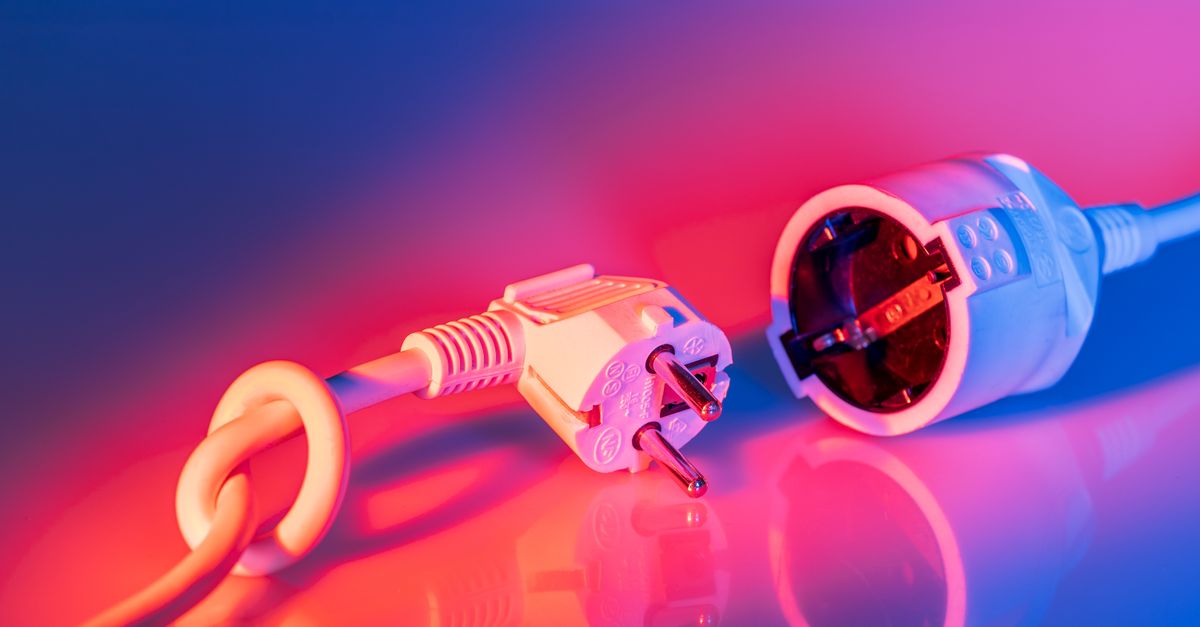
Japan runs on 100V mains. The UK runs on 230V. A domestic-market Japanese washlet plugged into a British supply will be destroyed. Using it here means a step-down transformer sized for the seat’s heating load — not a small travel adapter — which has to live somewhere in or near the bathroom, adding cost, bulk and another thing to go wrong.
Frequency differs too. Japan uses 50Hz in the east and 60Hz in the west, so even Japanese buyers check regional compatibility. Some components care.
Water fittings are not the same. Japanese plumbing uses different thread standards and the supplied T-piece will not necessarily mate with a British cistern feed without adapters.
No warranty, no support. A grey import has no UK warranty, and no local dealer is obliged to service it. Spares mean shipping from Japan.
Electrical compliance. A transformer-fed appliance in a bathroom sits awkwardly with UK wiring regulations, which restrict what can be installed in bathroom zones. An electrician may reasonably decline to sign it off.
The practical conclusion: buy a model intended for the European market. TOTO sells Washlets specified for 230V in Europe, and the European brands have closed much of the gap.
Buying Japanese Properly in the UK
TOTO. The genuine article, sold in Europe in 230V specification. The Washlet range runs from relatively plain seats up to fully specified models with tankless heating, motorised lids and multiple user presets. Expect roughly £700–£1,500 for a seat, more for a complete unit. The catch is dealer density — TOTO has fewer UK outlets than Geberit, so check who would actually service it near you before committing.
European brands with Japanese-influenced engineering. Geberit’s AquaClean range, VitrA’s V-Care and Grohe’s Sensia have converged on much the same feature set, with the significant advantage of mainstream UK distribution, fitters who know the product and spares you can get next week. A complete smart toilet in this group runs from around £1,200 for entry-level up to £5,000 and beyond for a wall-hung Geberit AquaClean with frame and flush plate.
Seat versus complete unit. As in the rest of the category, a seat retrofitted to your existing pan is far cheaper than replacing the pan. The Japanese domestic market is dominated by seats for exactly this reason.
Installation Realities
Power. UK regulations restrict sockets in bathrooms, so an electric seat needs a fused connection unit fitted by an electrician, commonly spurred from outside the room. This applies to European-market units too and is the main hidden cost.
Fit. Check pan shape, the centres between the seat fixing holes, and clearance behind the pan. Japanese pans are dimensionally different from British ones, which is another reason imported seats can fail to fit even before the electrical problem.
Hard water. Much of the UK is harder than most of Japan, and scale is the main long-term enemy of the nozzle and heater. Choose a model with a descale cycle and use it.
FAQ
Can I buy a Japanese toilet in the UK? Yes, but buy the European-specification version. TOTO sells 230V Washlets for the European market through UK dealers. What you should not do is import a Japanese domestic-market unit: those run on 100V, need a substantial step-down transformer, use different plumbing threads, carry no UK warranty and may not satisfy an electrician asked to sign off the installation.
Why are Japanese toilets better? Mainly tankless water heating, which means the warm wash does not run out partway through or between users, plus more refined nozzle control and self-cleaning. They also bundle features as standard that European brands treat as premium. The gap has narrowed considerably — Geberit, VitrA and Grohe now offer most of the same functions with far better UK support.
How much does a Japanese-style smart toilet cost in the UK? A TOTO Washlet seat is roughly £700–£1,500. A complete smart toilet from any of the mainstream brands starts around £1,200 for an entry-level VitrA V-Care and runs past £5,000 for a fully specified Geberit AquaClean Mera with frame and flush plate. Add the cost of an electrician for the fused spur.
Do I need a transformer for a Japanese toilet seat? Only for a Japanese domestic-market unit, because Japan’s mains is 100V against the UK’s 230V — and it would need to be a proper step-down transformer rated for the seat’s heating load, not a travel adapter. European-market TOTO Washlets are built for 230V and need no transformer at all, which is the main reason to buy that version.