The Best Smart Meter Monitor for Your Home in 2026
The best smart meter monitors for 2026: the Hildebrand Glow, Geo Touch and more, plus how in-home displays pair with SMETS2 meters over Zigbee.
The Best Smart Meter Monitor for Your Home in 2026
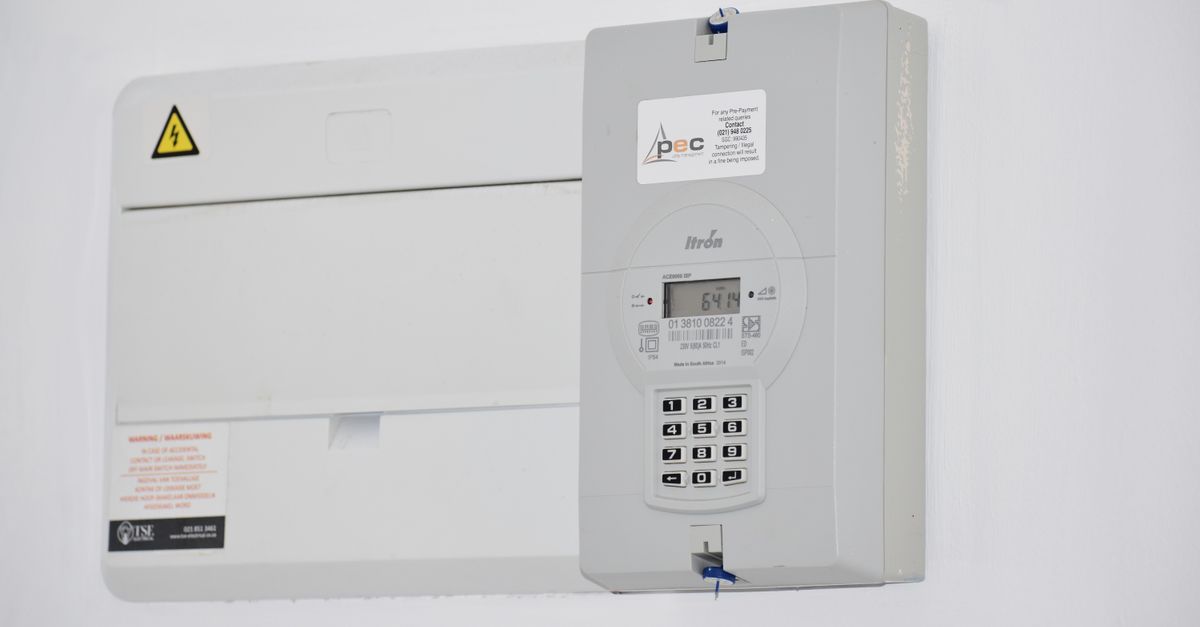
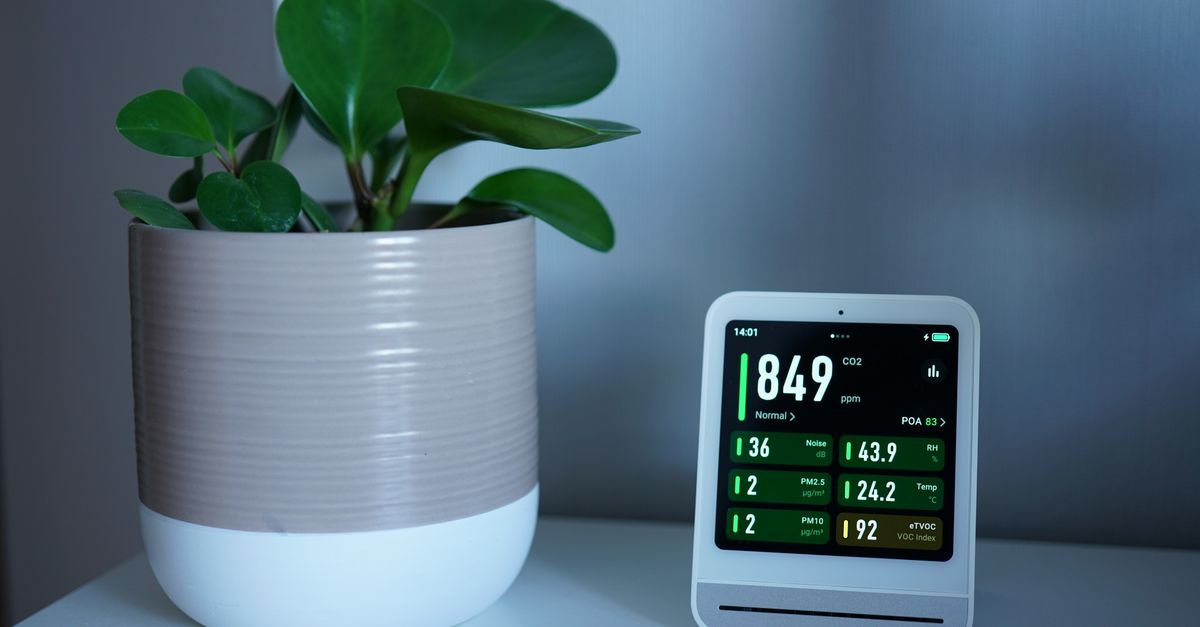
A smart meter monitor — more formally known as an in-home display, or IHD — is the single most effective tool for turning abstract energy usage into immediate, actionable feedback. Seeing exactly how much electricity a kettle or tumble dryer draws, expressed in pounds and pence, helps households shift habits and cut consumption. While every smart meter installation in the UK includes an IHD by default, the supplied device is often fairly basic. For households that want richer data, larger screens, or smart-home integration, a third-party smart meter monitor is a worthwhile upgrade.
This guide explains how these monitors communicate with your meter, which compatibility hurdles to watch for, and which specific models are the strongest choices for UK households in 2026.
At a Glance — Top Smart Meter Monitors for 2026
| Product | Best For | Approximate Price |
|---|---|---|
| Hildebrand Glow IHD | Smart-home automation and solar households | Around £50–£60 |
| Geo Touch | Users wanting a large, clear colour interface | Around £40–£60 |
| Geo Solo II | Straightforward, portable energy tracking | Around £40–£60 |
| Chameleon IHD4-PPMID | Instant visual consumption feedback | Issued via suppliers; limited standalone retail availability |
| British Gas IHD | British Gas customers needing a replacement | Not sold as a standalone retail unit |
How Smart Meter Monitors Work: The Technical Architecture
Understanding the wireless architecture behind a smart meter monitor is essential before buying, because it determines whether a given device will pair with your meter at all.
Crucially, an IHD does not use the internet to fetch your energy data. It communicates locally with the smart meter via Zigbee, specifically using the Smart Energy Profile (SEP 2.0) protocol. This communication happens over a dedicated Home Area Network (HAN) — a secure, short-range wireless network that operates entirely within your property. The wider Data Communications Company (DCC) and Wide Area Network (WAN) infrastructure carries your consumption data only to your energy supplier for billing purposes. The IHD operates independently of the internet and WAN, meaning it continues to display real-time usage even if your home broadband goes down.
The frequency of data updates is mandated within the SMETS technical specifications, as documented in UK Government SMETS2 documentation. Electricity consumption updates at 10-second intervals, giving a near-instantaneous reflection of when appliances are switched on or off. Gas consumption updates at 30-minute intervals, as gas meters take half-hourly readings rather than continuous ones.
Compatibility and Pairing: What to Check Before Buying
The most common frustration with third-party smart meter monitors is pairing. Compatibility depends almost entirely on whether your meter is SMETS1 or SMETS2, and you can usually identify your meter type via the label on the meter faceplate or through your energy supplier’s online account portal.
SMETS2 meters run GBCS v3.2+ HAN profiles. However, not all third-party IHDs will pair seamlessly without supplier intervention. In most cases, the user must contact their energy supplier to commission the third-party device onto the HAN. This is a security measure to prevent unauthorised devices from accessing consumption data.
If you have an older SMETS1 meter — even one that has been enrolled in the DCC — you face a harder road. These meters generally cannot push data to third-party IHDs due to firmware locks. If you are buying a monitor specifically to pair with a SMETS1 meter, you should explicitly confirm with the manufacturer and your supplier that it will function before purchasing.
Why a Third-Party Monitor?
Ofgem mandates that an IHD must be provided at the point of smart meter installation, and Smart Energy GB confirms that consumers are entitled to a functioning unit. According to DESNZ smart metering programme evaluation data, households that actively use their IHDs report average savings of approximately 3–4% on their energy bills. The mechanism is straightforward: visible consumption data prompts behavioural change.
Despite these benefits, supplier-issued IHDs are often limited. They may feature small monochrome screens, minimal historical data, or limited smart-home compatibility. A third-party monitor can address these shortcomings with larger colour displays, detailed historical graphs, and local API access for automation platforms.
The Best Smart Meter Monitors for 2026
Hildebrand Glow IHD
The Hildebrand Glow IHD is the standout choice for data enthusiasts and smart-home integrators. Unlike standard supplier-issued displays, the Glow functions as both a traditional IHD and a Consumer Access Device (CAD). This dual functionality is a key differentiator: as a CAD, it can expose your consumption data to other systems on your local network.
Its primary appeal lies in its integration with Home Assistant. The Glow connects via a local MQTT integration and a local API, meaning smart-home users can build automations triggered by real-time electricity usage — for instance, activating a battery storage system when export spikes, or turning off non-essential loads when consumption crosses a threshold.
The device supports the Zigbee Smart Energy Profile, and Hildebrand’s documentation specifies SMETS2 compatibility. SMETS1 support is limited and supplier-dependent, so buyers with first-generation meters should proceed with caution. For solar households, the Glow tracks the Export MPAN (Meter Point Administration Number), meaning it can display electricity you are exporting to the grid rather than just consuming. This is particularly relevant for households on the Octopus Energy Agile tariff, where users frequently pair the Glow IHD for half-hourly consumption matching to take advantage of cheaper off-peak slots.
Priced at approximately £50–£60 on Amazon UK, the Glow represents a moderate investment. UK smart-home forums — including the Home Assistant Community and Reddit’s r/UKPersonalFinance — consistently cite setup complexity as moderate but rewarding for automation users. The consensus is that the initial pairing and MQTT configuration requires patience, but the resulting data granularity justifies the effort.
Where to buy: Amazon UK.
Verdict: The most powerful smart meter monitor for users who want to pipe consumption data into Home Assistant and track solar export.
Geo Touch
The Geo Touch is designed for users who want a clear, visually accessible interface without diving into smart-home automation. It features a 4.3-inch colour TFT display, which provides a significant upgrade in readability over basic monochrome supplier IHDs. The larger screen makes it easier to read consumption figures and cost projections from across a room, rather than needing to be standing directly in front of the unit.
The Geo Touch is SMETS2 compatible, though supplier commissioning may still be required to pair the device onto your HAN. As with all third-party monitors, buyers should confirm with their supplier that the device can be commissioned before purchase, particularly if they have not previously used a third-party IHD.
Typically priced at around £40–£60, the Geo Touch sits in the same bracket as the Hildebrand Glow but targets a different user. Where the Glow prioritises data export and API access, the Geo Touch prioritises a straightforward, large-format visual experience. It is best suited to households that want to glance at a screen and immediately understand their current energy spend without navigating menus or configuring integrations.
Where to buy: Amazon UK and Ethical Superstore.
Verdict: The strongest option for buyers who prioritise screen size and visual clarity over technical integration.
Geo Solo II
The Geo Solo II is the more compact sibling in the Geo lineup, featuring a 3.5-inch TFT display. While smaller than the Geo Touch’s 4.3-inch screen, the 3.5-inch form factor makes the Solo II more portable and easier to position in tighter spaces, such as on a kitchen worktop or a narrow shelf.
Like the Geo Touch, the Solo II is SMETS2 compatible, and supplier commissioning may still be required. It provides the core functionality expected of an IHD: real-time electricity updates at 10-second intervals, gas updates at 30-minute intervals, and cost displayed in pounds and pence. The TFT screen offers colour output, making it easier to distinguish between different data points — such as electricity versus gas, or current usage versus historical comparison — than a basic monochrome LCD.
Pricing is typically in the region of £40–£60, available on Amazon UK and Ethical Superstore. The Solo II is best suited to households that want a capable, colour-display IHD but do not need the larger screen real estate of the Geo Touch or the API integration of the Hildebrand Glow.
Where to buy: Amazon UK and Ethical Superstore.
Verdict: A solid, compact colour display for straightforward energy tracking without unnecessary complexity.
Chameleon IHD4-PPMID
The Chameleon IHD4 (also referenced in supplier documentation as the IHD3-CAD-PPMID) is distinct from the other monitors in this guide because it is primarily issued by energy suppliers rather than sold as a standalone retail product. Suppliers including OVO and EDF issue this device at the point of smart meter installation, which means many UK households will already be familiar with it.
Its standout feature is the traffic-light LED system, which uses green, amber, and red indicators to represent consumption level at a glance. This provides an immediate, ambient awareness of energy use: a green light indicates low consumption, amber signals moderate use, and red warns of high draw — even if you are not actively looking at the screen. This ambient feedback mechanism is particularly useful for placing the device in a hallway or living area where it can be seen peripherally.
The device is powered via USB-C, which is a practical choice given the prevalence of USB-C cables in most households. If you lose the supplied cable, replacing it is straightforward. For exact dimensions and weight, buyers should consult the Chameleon Technology product page, as these specifications are subject to the specific hardware revision issued.
Because the Chameleon IHD4 is distributed through suppliers, standalone retail availability is limited. If you are not an OVO or EDF customer, or if you want to replace a lost or damaged unit, your options for purchasing one independently are narrow. Buyers in this situation may be better served by the Geo or Hildebrand alternatives.
Where to buy: Limited standalone retail availability; check the Chameleon Technology product page, or contact your energy supplier if you are an OVO or EDF customer.
Verdict: An excellent ambient-feedback monitor if supplied by your energy provider, but limited retail availability makes it hard to acquire independently.
British Gas IHD
The British Gas IHD is not sold as a standalone retail unit. It is issued only at the point of smart meter installation for British Gas customers, and no public retail price exists. This is an important point for buyers to understand: if you see a device advertised online as a “British Gas smart meter monitor” with a price attached, it is either a third-party listing at a mark-up or a misidentified product.
If your British Gas IHD is lost, damaged, or malfunctioning, the correct course of action is to contact British Gas directly. Under the Smart Energy GB Code of Practice, consumers are entitled to a functioning IHD, and British Gas should provide a replacement. No speculative price can be given for this replacement, as the cost — if any — depends on the circumstances of the request and the customer’s specific tariff and account status.
The British Gas IHD itself provides the core functionality mandated under the SMETS specification: real-time electricity updates at 10-second intervals, gas updates at 30-minute intervals, and cost displayed in pounds and pence. It communicates via the local Zigbee HAN, independent of internet connectivity. For most British Gas customers, the supplied unit is adequate for basic consumption tracking, though it lacks the advanced features — such as API access, solar export tracking, or traffic-light LEDs — found in the third-party options above.
Where to buy: Not available for retail purchase; contact British Gas directly for replacements.
Verdict: Functional and free with installation, but British Gas customers wanting advanced features should look to third-party options.
UK Regulatory and Practical Notes
The UK smart metering landscape is governed by a framework designed to protect consumers and ensure consistent functionality. Ofgem mandates IHD provision at the point of smart meter installation, meaning no household should be left without a way to monitor their consumption. Smart Energy GB reinforces this, confirming that consumers are entitled to a functioning IHD.
The DESNZ smart metering programme evaluation provides the most compelling data point for IHD ownership: households that actively use their displays report average savings of approximately 3–4% on energy bills. This figure, drawn from programme evaluation data rather than manufacturer marketing, underscores the practical value of having visible, real-time consumption feedback.
For buyers considering a third-party monitor, the key practical step is to identify your meter type before purchasing. Check the SMETS1 versus SMETS2 label on your meter faceplate, or log into your supplier account portal to confirm. If you have a SMETS2 meter running GBCS v3.2+ HAN profiles, a third-party IHD such as the Hildebrand Glow or Geo Touch is a viable upgrade — but be prepared to contact your supplier to commission the device onto your HAN. If you have a SMETS1 meter, even one enrolled in the DCC, firmware locks will likely prevent a third-party device from pairing, and you should manage your expectations accordingly.
Frequently Asked Questions
Do I need Wi-Fi for a smart meter monitor to work?
No. An IHD communicates locally with your smart meter via Zigbee (Smart Energy Profile, SEP 2.0) over a dedicated Home Area Network (HAN). It does not require an internet connection, Wi-Fi, or broadband to display real-time consumption data. The DCC and WAN infrastructure carries data to your energy supplier separately; the IHD operates entirely independently of internet connectivity.
How often does a smart meter monitor update?
Electricity consumption updates at 10-second intervals, as mandated in the SMETS technical specifications documented in UK Government SMETS2 docs. Gas consumption updates at 30-minute intervals, because gas meters take half-hourly readings rather than continuous ones. This means your electricity display is effectively real-time, while gas figures will lag by up to half an hour.
Can I buy a third-party IHD for my SMETS1 meter?
Generally, no. SMETS1 meters — even those enrolled in the DCC — typically cannot push data to third-party IHDs due to firmware locks. If you have a SMETS1 meter, a third-party monitor is unlikely to pair without supplier intervention, and possibly not at all. You can identify your meter type via the label on the meter faceplate or through your supplier’s online account portal.
Will a third-party smart meter monitor work with my energy supplier?
SMETS2 meters run GBCS v3.2+ HAN profiles, and most third-party IHDs that support the Zigbee Smart Energy Profile are compatible. However, not all devices pair without supplier intervention. You will typically need to contact your energy supplier to commission the third-party device onto your HAN. It is advisable to confirm compatibility with your supplier before purchasing.
Can I use a smart meter monitor to track solar panel export?
Yes, in some cases. The Hildebrand Glow IHD tracks the Export MPAN, which records electricity you export to the grid rather than consume. This makes it particularly relevant for solar households, especially those on tariffs such as Octopus Energy Agile, where users pair the Glow IHD for half-hourly consumption matching. Not all IHDs support export tracking, so check the specifications before buying if this feature matters to you.
What should I do if my supplier-issued IHD stops working?
Under the Smart Energy GB Code of Practice, consumers are entitled to a functioning IHD. Contact your energy supplier directly to request a repair or replacement. If you are a British Gas customer, for example, you should contact British Gas rather than attempting to purchase a replacement independently, as the British Gas IHD is not sold as a standalone retail unit and no public retail price exists.